

Then some of the scribes and Pharisees said to him, “Teacher, we wish to see a sign from you.” But he answered them, “An evil and adulterous generation seeks for a sign; but no sign shall be given to it except the sign of the prophet Jonah. For as Jonah was three days and three nights in the belly of the whale, so will the Son of man be three days and three nights in the heart of the earth.
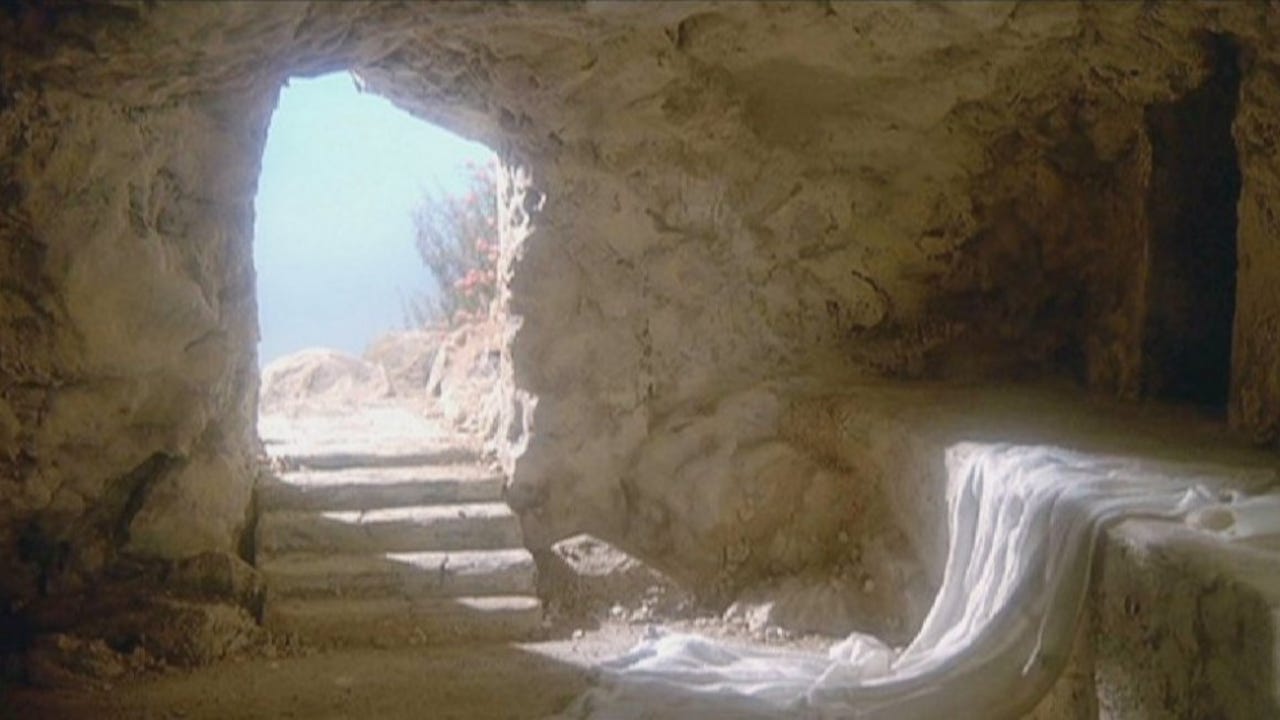
Three days after Jesus was crucified, died, and was buried, He arose and lived again.
Three days after descending into the earth, Jesus returned, left His tomb, and walked on earth once more.
Three days after descending into the belly of a whale, Jonah returned, was cast up on the shore, and walked on earth once more.
This was the sign Jesus promised the scribes and Pharisees. This was the only sign the “evil and adulterous generation” would receive.
Why this sign? What is significant about the prophet Jonah that his ordeal of being swallowed whole by a fish is relevant to the story of Jesus’ Resurrection?
There is the obvious similarity between Jonah enduring three days in the belly of a great fish and Jesus enduring three days in the grave. Is that the only similarity? Did Jesus choose the ordeal of the Prophet Jonah simply because of that easy parallel with His crucifixion and resurrection?
Consider the story of Jonah.
Ordered by God to travel to Nineveh and preach against their wicked ways, Jonah rebelled against God, fleeing in the opposite direction from Nineveh, taking passage on a ship bound for Tarshish. Yet Jonah could not escape God, could not evade God’s watchful eye, and could not avoid God’s judgement.
When the sailors on the ship cast lots to see who among them was accursed by God after a terrible storm threatened to sink the ship, the lot accurately fell on Jonah. Outed as the cause of the ship’s distress, he had the ship’s crew throw him overboard, giving himself up to the deep ocean in hopes that God would calm the storm, and allow the sailors to live. Jonah thus sank into the waters, offered up by the sailors that they might live.
But Jonah did not drown. Instead, he was swallowed by a “whale” (many translations will say “great fish”), which then dove down into the deeps, taking Jonah down and farther down into the ocean. At the bottom of the ocean, in the belly of a whale, Jonah prayed to God for deliverance. He submitted himself to God’s will, praying that he might yet be returned to dry land, even if he had to go preach to the city of Nineveh.
After three days and nights, God had the whale vomit Jonah back onto dry land. After three days and nights, God delivered Jonah from the consequences of his rebellion.
This ordeal is the sign Jesus promised to the “evil and adulterous” scribes and Pharisees.
After eating the Passover supper with His disciples Jesus was given over to the Romans to be crucified. Yet Jesus had not rebelled against God—quite the contrary, He was carrying out God’s Will. As the culmination of His ministry here on earth, Jesus gave Himself up to crucifixion and death, shedding His blood that Mankind would be redeemed, saved from sinful death, and given new and eternal life. After dying on the cross, Jesus was buried in the tomb of Joseph of Arimathea, sealed in the belly of the earth.
After three days and nights, God rolled back the stone in front of the tomb, and Jesus emerged. After three days and nights, God delivered Jesus from death.
The “sign” that Jesus promised the scribes and Pharisees was that He would endure an ordeal like that of Jonah.
Yet this was not merely an ordeal meant to “prove” Jesus was the Messiah. It was an ordeal with a purpose.
Jonah rebelled against God, and for this a storm lashed the ship on which he was traveling. The sailors, upon realizing that Jonah had grievously sinned, offered him up to the deep ocean. The scriptural account does not show them repenting of their own sins, but they very clearly rejected Jonah’s rebellion against God and wanted no part of it.
Jesus was not rebelling against God. Quite the contrary, He was fulfilling the purpose given to Him by God. It is Mankind who has rebelled against God. It is Mankind who rebels against God even today.
Jonah accepted being sacrificed to the storm as consequence for his sins. He accepted that he had rebelled against God and went against God’s Will. He understood that there was consequence to be paid for his disobedience, consequence which came to Jonah in the form of a storm threatening a ship.
Jesus accepted being sacrificed as consequence for our sins. He accepted that Mankind has rebelled against God and went against God’s Will. He understood that there is a consequence to be paid for our disobedience, consequence which came to Jesus in the form of Crucifixion and Death.
Jonah took the penalty for his sins upon himself, accepting the consequences of his rebellion against God.
Jesus took the penalty for our sins upon Himself, accepting the consequences of our rebellion against God.
Jonah paid the penalty for Jonah. Jesus paid the penalty for us all.
After three days in the belly of the whale God brought Jonah back to dry land, back to earth. After three days in the belly of the whale God delivered Jonah from his sins.
After three days in the belly of the earth—after three days of death—God brought Jesus back out of the earth. After three days in the belly of the earth, God delivered not Jesus—who is without sin—but all of Mankind from our sins.
Jonah’s ordeal is a dramatic testament to the futility and self-destructive nature of rebellion against God. Sin at its core drives us away from God. Sin deprives us of freedom and ultimately of life. That most precious gift which comes only from God can only be sustained by turning to God.
In that deep, dark, belly of a whale at the bottom of a deep dark ocean, Jonah repented of his sin and turned to God for forgiveness. God granted him forgiveness and delivered him back into life.
Jesus went into the depths of the earth, into death itself, seeking not deliverance for Himself, but deliverance for us all. God delivered Jesus back into life, and all who will but believe in this Miracle of Jesus’ Resurrection are likewise delivered back into life, redeemed from the penalty of death that is the consequence for all sin.
On this Easter Sunday, I pray we may all ponder the sign of Jonah, its ordeal, and final deliverance from sin. On this Easter Sunday, I pray we may all strive to understand how Jesus, by enduring Jonah’s ordeal, redeemed and gave us all final deliverance from our sins. On this Easter Sunday, I pray we may all recognize and give thanks for the true Miracle of Jesus Christ, His Resurrection, through which the penalty for all our sins is paid.
After three days in the belly of the whale God brought Jonah back to earth. After three days in the belly of the whale God delivered Jonah from his sins.
Jesus went into the depths of the earth, into death itself, seeking not deliverance for Himself, but deliverance for us all. God delivered Jesus back into life, and all who will but believe in this Miracle of Jesus’ Resurrection are likewise delivered back into life, redeemed from the penalty of death that is the consequence for all sin.
Jesus is Risen, and we are saved. Thanks be to God.
An excellent sermon, Peter!
One of the hardest lessons we mortals learn is the necessity of accepting God’s Will for our lives. We rebel, and we reap the consequences for our errors. What actually works is to voice your preferences to God in prayer, but then truly accept and “allow”, by saying and feeling, “This or something better - Thy Will be done”. If you’ve truly accepted God’s Will, you will feel at peace. You are trusting God’s plan, so there is no more angst in your heart. Jonah had to accept God’s will before he could be saved, and so do we.
Peter, you’ve written so many great sermons, imparting wisdom and insight. They are articulate, eloquent, and moving. Somewhere in San Antonio is a minister who is a caring pastor for his flock, but who is not good at writing meaningful sermons. Perhaps you could keep in the back of your mind that he needs what you have written, and be watchful for an opportunity to pass on your collection of great sermons to be heard by his congregation. I think God will find a way for this to happen, if you like the idea. Bless you always, dear, magnificent Peter!
Great essay Peter. Happy Easter!